
Who this is for: Homeowners with a quoted renovation, solid equity and a firm budget, who were turned down or limited by a bank and can carry the extra interest.
On this page
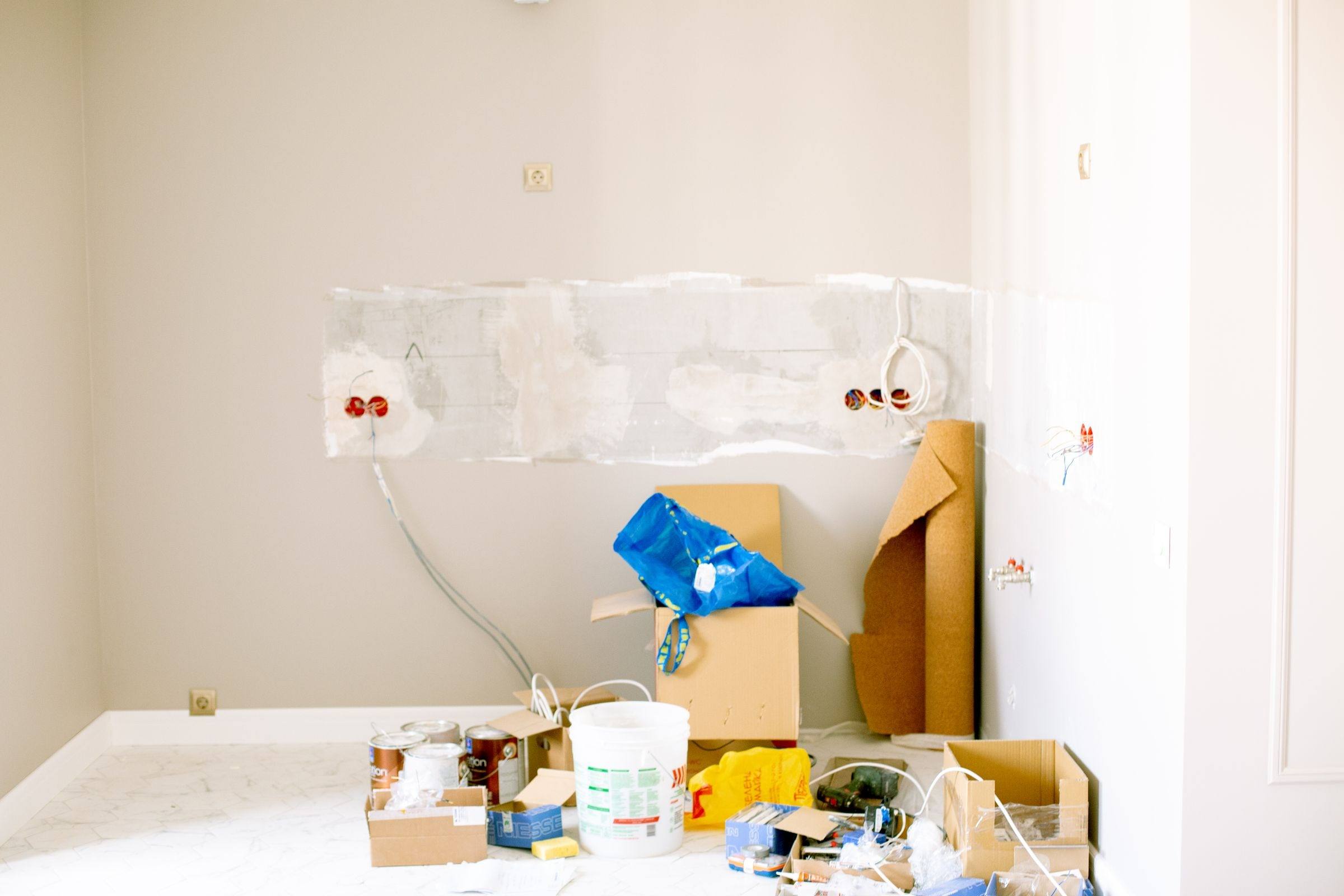
A renovation is one of the few reasons to borrow against a home that looks like an investment rather than a rescue. The money goes into the house, and sometimes the house gives some of it back. That does not make it free, and it does not make the loan easy. This page walks through how a second mortgage fits a building project, and where it does not.
What renovation financing with a second mortgage is
A second mortgage is a loan registered on your title behind your first mortgage. You keep paying the first one as before and add a second payment for the new loan. The Financial Consumer Agency of Canada explains that second mortgages usually carry higher rates than first mortgages because the lender takes more risk, and that the money normally arrives as a single lump sum.
For a renovation that means you hold the full amount before the first wall comes down. The lender does not release it in stages the way a construction draw works. That is simple, and it puts the responsibility for managing the money on you.
When it makes sense
It makes sense when the project is quoted, scheduled and needed, and when a bank has already said no or offered less than the work costs. Typical cases are a failing roof or foundation, a leaking basement, a kitchen that is no longer usable, or work needed to rent a legal second unit. These are costs where waiting makes the problem larger.
It also fits when you have a clear picture of how the loan ends. The best plan is usually a refinance with a bank after the work is done, when the home may appraise higher and your income may look stronger on paper. A second mortgage is a bridge in that plan, so write down the date you expect to cross it.
If the home is your main asset and you plan to stay in it for years, the renovation may pay back in daily use even if it never shows up in a sale price.
When it makes things worse
It makes things worse when the project is a want that has no budget behind it. Borrowing at a higher rate to fund a luxury finish is expensive comfort, and the interest is the same whether the countertop is stone or laminate.
It also goes wrong when the quote is soft. Older homes hide wiring, rot, asbestos and drainage problems that appear once the walls are open. A loan sized to the quote with no cushion leaves you stuck with a half-finished house and no cheap way to borrow more.
Finally, it goes wrong when the payment is already tight. A second mortgage adds a payment on top of your first mortgage, and if the loan is interest only the balance does not shrink. If your household income is shaky, adding a loan for a project is a risk to the rest of your budget.
What it really costs
Read the two worked examples above, line by line. The first shows that eighteen months of an assumed interest-only loan plus fees costs 23.5% of what you borrowed. The second shows how the appraisal limits what you can reach in the first place.
Costs to expect, per the same agency, include appraisal, title search, title insurance and legal fees. Add a lender fee and, if a broker arranged the loan, a broker fee. Ask for each figure in dollars, in writing. A loan that looks cheap on the monthly payment can be dear once everything is added, and the calculator adds them for you from a real quote.
Remember the cost of the project itself too. Permits, a contingency of your own, temporary accommodation if you cannot live in the house, and the time off work are not part of the loan, and they still come out of your pocket.
The risk to your home
Your home is the security. The agency warns that if you cannot repay a home equity loan you may face serious consequences, including foreclosure. A renovation can raise the value of the property, but it cannot protect you from a missed payment.
There is a second, quieter risk. Money spent on the house is not always recovered. If you sell soon after finishing, you may find the market values the work at less than its cost. Equity you spent on a taste-driven finish is equity you cannot use later for something else, and a private second mortgage that comes due in a year or two does not wait for the market to catch up.
Keep paying your first mortgage no matter what happens with the project. A late payment on either loan can lead to action that affects the whole property.
Options to try first
Start with your own bank or credit union. Ask about a renovation or home equity line of credit, a refinance, or a mortgage that lets you add the cost of improvements at renewal. A HELOC lets you draw as the bills arrive, so you pay interest only on what you have used. The agency adds that the rate is usually variable and that the lender can change it with written notice, so check how much your payment could rise.
Next, cut the scope. Many projects can be done in phases, with the essentials funded from savings and the rest saved for. Compare a staged plan against a single borrowed sum. If you need a single large amount quickly, look at the HELOC against second mortgage comparison.
If you are in a rural setting, read the page for acreage and non-standard homes too, since appraisals there can behave differently.
How the exit works
Decide before you borrow how the loan is repaid. The usual routes are a refinance with a mainstream lender once the work is done, a sale of the home, or a payoff from savings or another known sum. A refinance depends on your income and credit at that time, and on the appraised value, none of which you control today. Test your plan against a bad case: the house appraises lower and rates are higher.
Many private loans are short. Ask what the lender charges to extend if the work or the refinance takes longer than planned, and make sure the answer is in the commitment letter.
What to ask before you sign
- The full cost of borrowing for the whole term, with every fee in dollars.
- What the lender needs to see: quotes, permits, or an appraisal done on the current condition.
- Whether the money is paid to you or to the contractor, and when.
- What you will owe on the last day of the term, and the cost to extend.
- What happens if the project stops partway.
- The name of the licensed professional and how to check their licence with your provincial regulator.
If you would like to talk this through with a licensed mortgage professional in your province, you can check your options. You are free to say no, and you should get your quotes from contractors before you do.
A $50,000 basement project funded for eighteen months
Made-up figures only. An assumed 11% interest-only rate for 18 months, with an assumed 2% lender fee, 1% broker fee and $2,000 for legal, appraisal and title.
- Interest for eighteen months
- $8,250
- Lender fee
- $1,000
- Broker fee
- $500
- Legal, appraisal and title
- $2,000
- Cost to borrow for eighteen months
- $11,750
$50,000 at 11% for 1.5 years
2% of $50,000
1% of $50,000
Reaching for room on a $600,000 house with a $360,000 first mortgage
Made-up values. Uses the general ceiling of 80% of appraised value that the Financial Consumer Agency of Canada describes. Real lenders set their own limits and may be lower.
- Appraised value
- $600,000
- 80% of that value
- $480,000
- First mortgage balance
- $360,000
- Most a second mortgage could add
- $120,000
$600,000 x 0.80
Questions people ask
Can I borrow against my home to renovate if the house is old or needs work?
Some lenders will, because they look at the value of the property and the equity in it. The appraiser's opinion of the home as it stands today sets the limit, not what it could be worth after the work. Expect questions about condition and ask the lender how the appraisal will be done.
Should the contractor be paid before or after the loan funds?
The loan usually funds in one lump sum at closing, which means you hold the money before the work starts. Pay in stages tied to finished work and keep a holdback for the last stage. Never pay the full price up front, whatever the source of the funds.
Does a renovation loan count as a home improvement for tax purposes?
For your own home, interest on money borrowed for renovations is generally not deductible, because the Canada Revenue Agency allows interest deductions only on money used to earn income. Rental homes follow different rules. A tax professional can confirm how your project is treated.
What if the project costs more than the loan?
A lump sum second mortgage does not grow when the quote does. Add a cushion to the quote before you size the loan, and decide now what you will drop or delay if costs climb. Going back for a third loan on the same house gets expensive quickly.
Can I use a HELOC instead and only borrow what I spend?
A HELOC lets you draw as the work progresses, so interest starts only on what you have taken. The rate is usually variable and the lender controls the terms. If a bank will offer one, compare it carefully before a higher-cost private loan.
Will the renovation raise my home value by more than it costs?
Not reliably. Value depends on the area, the quality of the work and what buyers want when you sell. Ask a local realtor or appraiser for an opinion before you commit, and treat any figure you are given as an estimate rather than a promise.