

- Atlantic Canada mortgages 90 or more days behind, June 2026
- 0.30%As of June 2026 monthly series.Source
- Deed of mortgage registration, $50,000 to under $100,000
- $231.80As of registry fee summary, 2017.Source
- Deed of mortgage registration, $200,000 or more
- $463.65As of registry fee summary, 2017.Source
- Real Property Transfer Tax rate
- 1%As of greater of price or assessed value.Source
On this page
Prince Edward Island is the one province in this group where we could not find a dedicated mortgage broker licence or regulator. That is a fact about the Island worth knowing before you borrow. Everything else here, from registry fees to enforcement, matters too, but the licensing gap changes how you protect yourself.
No separate broker licence we could confirm
A document from the Government of Prince Edward Island, shared by CMBA Atlantic in 2024, says there are no other provincial government requirements for a mortgage broker aside from being registered to do business in the province. It names Financial and Consumer Services in Charlottetown as the contact. What we could verify is this: we found no licensing body, no register and no licence classes comparable to those elsewhere in Canada.
Some websites claim otherwise, and they conflict with each other, so we do not rely on them. In practice, you cannot confirm a broker on a public licence register here. Instead, ask what credentials the person holds from other provinces, which brokerage they work for and whether it is registered as a business, and ask who the lender is. A lawyer’s independent advice on the closing is more important here than in a province with a regulator to call.
What a second mortgage costs on the Island
The Land Registry’s fee summary lists a deed of mortgage fee that steps up with the principal: $77.25 under $10,000, then $103.00, $154.55, $231.80, $309.10, $386.40 and $463.65 at $200,000 or more, with $103.00 for a collateral mortgage. The summary is a 2017 document, so confirm the current figure. The fee grows with the loan, but it is small next to interest, as the first example shows. The second shows the step at $200,000.
The 1% Real Property Transfer Tax is a different charge. The Act requires every person registering a deed to pay 1% of the greater of the price and the assessed value, and it is waived at $30,000 or less. It applies to deeds of conveyance. A mortgage is listed in the fee summary as a deed of mortgage with its own fee, and we found no transfer tax line for it. Your lawyer should confirm for your file. Our costs and fees page lists the rest.
Private lending without a regulator’s register
We could not find an official PEI figure for private lenders’ share of the market. Without a register, comparing is your main defence. Get at least two offers in writing, from lenders you can identify by name, and ask each one for every fee in dollars and what happens at the end of the term. A lender who will not put terms in writing is telling you something.
How the numbers look in Atlantic Canada
CMHC’s Fall 2026 report gives Atlantic Canada as a region 0.30% of mortgages 90 or more days behind in its June 2026 monthly series, without a figure for Prince Edward Island alone. It expects more moderate upward pressure in the region through mid-2027.
For an Island homeowner, the useful reading is direction, not level. If payments are tight, talk to your lender before arrears reach three months and keep a record of what you agree.
If you fall behind
Torys says power of sale is the primary remedy for lenders in Prince Edward Island, with judicial listing available but not primary. We could not verify the notice periods or steps from a PEI statute or court source, so we do not give any here. That is a real gap, and it is why a lawyer matters. If you receive a notice, take it to a lawyer the same day, note every date and do not ignore it.
Our power of sale guide sets out the general stages and how they differ by province, which gives you questions to put to a lawyer. It does not replace Island advice.
Keep a folder with the commitment letter, the fee disclosure, your lawyer’s closing report and the registered mortgage. With no regulator’s register to lean on, these papers are your record of what was promised and what you paid. Photograph anything delivered to your door and write down the date it arrived. If something goes wrong, a lawyer will want to see them first, and they are what you would show Financial and Consumer Services if you decided to ask about a business.
What to ask on Prince Edward Island
- What is your brokerage called, and is it registered as a business here?
- Do you hold a licence in another province, and which one?
- Who is the lender, and who is my lawyer acting for on closing?
- What are all the fees and the interest in dollars, and what is due at the end?
- What notice will I get if I miss a payment?
If a private second mortgage is still the best fit, compare the total cost over the whole term, not the monthly payment alone. Add every fee in dollars, the registry fee and your lawyer, then divide by the amount you actually receive. That single figure makes two offers easy to compare.
Weigh the alternatives
A bank or credit union refinance, a payment plan, a Licensed Insolvency Trustee’s view on a consumer proposal, or selling the home may cost less than a second mortgage. Use the calculator with the registry fee and real lender fees before you decide.
Where to start by city
Charlottetown is the main market and the first city page. See Charlottetown for sourced local figures. The form at check my options works for every community on the Island.
Land transfer tax and registration in Prince Edward Island
Prince Edward Island's Real Property Transfer Tax is 1% of the greater of the purchase price or the assessed value, paid by the person registering a deed, and it is waived where that amount is $30,000 or less. It is charged on a deed of conveyance. The Land Registry's fee summary lists a deed of mortgage separately, and we found no transfer tax line for registering a mortgage on a home you already own.
The Government of Prince Edward Island's registry fee summary, a 2017 document, lists a deed of mortgage fee that steps up with the principal: $77.25 under $10,000, $103.00 to $20,000, $154.55 to $50,000, $231.80 to $100,000, $309.10 to $150,000, $386.40 to $200,000 and $463.65 at $200,000 or more. A collateral mortgage is $103.00. The schedule is dated, so ask your lawyer to confirm the current fee.
The regulator is Financial and Consumer Services, Government of Prince Edward Island (no dedicated mortgage broker licence confirmed).
Cities in Prince Edward Island
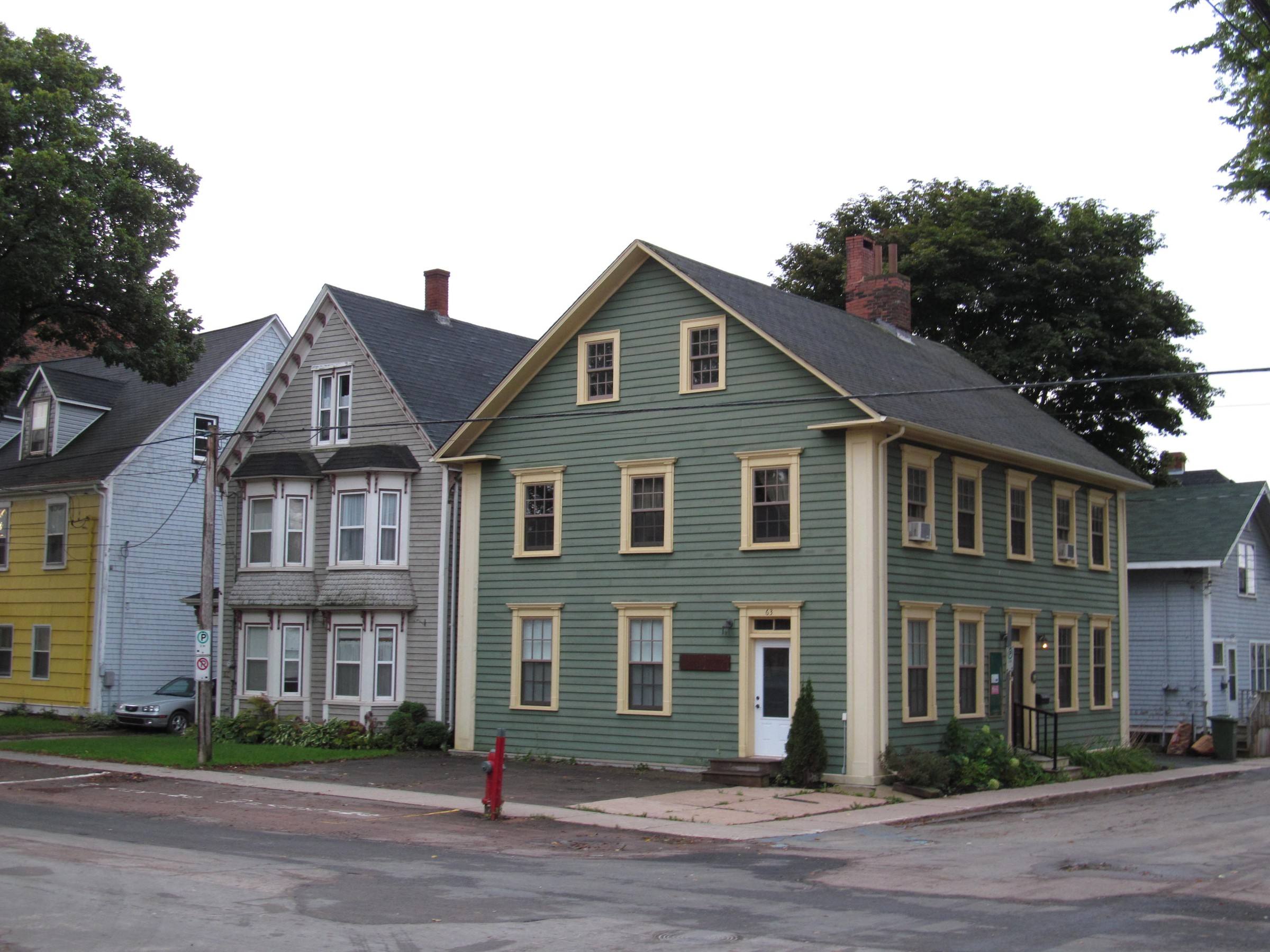
A $60,000 second mortgage on a $300,000 Prince Edward Island home
Made-up figures except the registration fee, which is the $231.80 listed for a principal of $50,000 to under $100,000 in the registry fee summary, a 2017 document. The first mortgage is $150,000. The loan is interest only at an assumed 12.5% for one year, with an assumed 2% lender fee, a 1.5% broker fee and $1,700 for legal and appraisal.
- Combined loan-to-value
- 70%
- Interest for a year
- $7,500
- Lender fee
- $1,200
- Broker fee
- $900
- Legal and appraisal
- $1,700
- Registry fee
- $231.80
- Cost of borrowing in year one
- $11,531.80
$210,000 owed on a $300,000 home
$60,000 at 12.5%
2% of $60,000
1.5% of $60,000
Crossing the $200,000 line in the registry fee schedule
Made-up loan sizes. The fees are from the registry fee summary, a 2017 document: $386.40 for a principal of $150,000 to under $200,000, and $463.65 at $200,000 or more.
- Extra principal borrowed
- $1,000
- Fee on a $199,000 mortgage
- $386.40
- Fee on a $200,000 mortgage
- $463.65
- Extra registry fee for the extra $1,000 borrowed
- $77.25
$200,000 minus $199,000
Questions people ask
Is there a mortgage broker licence in Prince Edward Island?
Information from the Government of PEI, passed on by CMBA Atlantic in 2024, says there are no other provincial requirements for a mortgage broker aside from being registered to do business in the province. We found no dedicated licence or public register, so ask directly and check for other credentials.
If PEI has no broker licence, who do I call with a complaint?
The government document names Financial and Consumer Services in Charlottetown as the contact for licensing questions, with an email at licensing@gov.pe.ca. That office can tell you what, if anything, applies to a given business. A lawyer can also advise on your options.
How does PEI's transfer tax treat a second mortgage?
The 1% Real Property Transfer Tax applies to every person registering a deed, on the greater of price or assessed value, and is waived at $30,000 or less. A mortgage is registered as a deed of mortgage with its own fee, and we found no transfer tax line for one. Your lawyer should confirm.
How much does the PEI Land Registry charge for a mortgage?
The registry fee summary we read steps up with the loan: $231.80 for a principal from $50,000 to under $100,000 and $463.65 at $200,000 or more, with $103.00 for a collateral mortgage. It is a 2017 document, so ask your lawyer for today's fee.
Can a PEI lender sell my home without going to court?
Torys says power of sale is the primary remedy in Prince Edward Island, with judicial listing available but not primary. We could not verify the notice periods from a PEI source, so ask a lawyer to read the notice you receive and explain the steps and dates.
Sources
- CMBA Atlantic: PEI mortgage brokers, information from the Government of Prince Edward Island (2024), 2024-04-01
- Government of Prince Edward Island: Registry fee summary, 2017-05-29
- Government of Prince Edward Island: Real Property Transfer Tax Act
- Government of Prince Edward Island: Real Property Transfer Tax
- Torys: Foreclosure proceedings and available remedies for mortgage holders and other creditors, 2023-08-01
- CMHC: Residential Mortgage Industry Report, Fall 2026 edition, October 27, 2026 (Figure 13), 2026-10-27