British Columbia licenses mortgage professionals through BCFSA, and the Mortgage Services Act replaced the Mortgage Brokers Act on October 13, 2026. Registering a mortgage costs a flat Land Title and Survey Authority fee of $83.82, and property transfer tax is a cost of buying a home, not of borrowing against one you own. If payments stop, a lender most often has to go through the BC Supreme Court.
1% to $200,000, then 2%As of Property Transfer Tax Act, s. 3.Source
Mortgage Services Act in force
October 13, 2026As of replacing the Mortgage Brokers Act.Source
On this page
A homeowner in British Columbia who wants cash from the home deals with provincial rules at every step: who may arrange the loan, what registering it costs and how a lender collects if things go wrong.
Who is allowed to arrange your loan
BCFSA, the BC Financial Services Authority, regulates mortgage professionals in the province. Its own pages say the Mortgage Services Act replaced the old Mortgage Brokers Act on October 13, 2026, and that archived guidance on the old Act is kept for reference only.
BCFSA describes the change as a move from a registration system to a licensing framework, with stronger powers to investigate and discipline. That is the regulator’s account of the change. What it means for you is simple. Ask anyone offering to arrange a second mortgage whether they are licensed under the new framework, which brokerage they work for, and then check with BCFSA yourself. Do the check before you hand over documents or a fee, and write down the licence number you were given. If a name does not appear, stop and ask why.
What it costs to register and close
A second mortgage in BC is a charge on your title. The Land Title and Survey Authority lists $83.82 for filing a charge such as a mortgage, effective April 1, 2026, and says that fee applies once however many titles are affected. Electronic filing, your lawyer or notary and any title insurance come on top, along with the lender’s interest and fees and the broker’s fee, which should be disclosed in writing.
Property transfer tax causes most of the confusion. The Property Transfer Tax Act taxes a taxable transaction, and its definition covers transfers and grants of interests in land such as fee simple, life estates and leases. Mortgages are not in the list, and the Act does not let you deduct a registered mortgage when fair market value is worked out. The first example above shows a borrowing year with no transfer tax line at all. Our costs and fees page walks through every line you may meet.
Where private lending sits in BC
BCFSA’s own materials say the new Act is meant to give borrowers and lenders better protection, and the regulator has said more detail on how it treats lending will follow. We could not find a BC share-of-market figure for private lenders from an official source, so we do not give one. What you can do is compare. A private second mortgage costs more than a bank loan, so get a bank or credit union answer first, then price two or three private offers.
Arrears are low but pointing up
CMHC’s Residential Mortgage Industry Report, published October 27, 2026, puts the share of BC mortgages 90 or more days behind at 0.26% for the second quarter of 2026. It says British Columbia is showing upward pressure and expects a more moderate rise through mid-2027 than Ontario, grouping BC with Atlantic Canada.
A low rate across the province says little about your own file, and a rising direction says even less. If you are behind on payments, calling your lender early still beats waiting, because most of the options in this section close as the arrears grow.
What happens if you fall behind
British Columbia leans on the courts. Torys lists judicial listing, a sale run under court supervision, among the main remedies in the province, and Legal Aid BC describes a petition, an order nisi and a redemption period that is often six months, set by the judge. Treat six months as a common pattern, not a promise. A judge can shorten it when there is little equity or extend it when a sale or refinance is under way.
The second example above shows why timing matters. Interest and legal costs keep adding to the amount you must pay to redeem. Our forced sale guide compares how other provinces handle it.
Questions worth asking a BC lender or broker
Put these to the person arranging the loan, and keep the answers in writing.
Are you licensed under the Mortgage Services Act, and can I verify that with BCFSA?
What are the lender fee and the broker fee in dollars, and will I see them in writing first?
What is due at the end of the term, and what does a renewal cost?
If the lender is private, who is it, and who does my lawyer or notary act for?
What happens, step by step, if I miss a payment?
Compare before you sign
A second mortgage can fix a short-term problem and create a longer one, because the payment, the fees and the risk to the home all stay with you until it is repaid. Ask a Licensed Insolvency Trustee about a consumer proposal if card debt is the problem, and ask your bank about a refinance. If a private second mortgage is still the best fit, the figures should hold up on the calculator with real fees in them.
Where to start by city
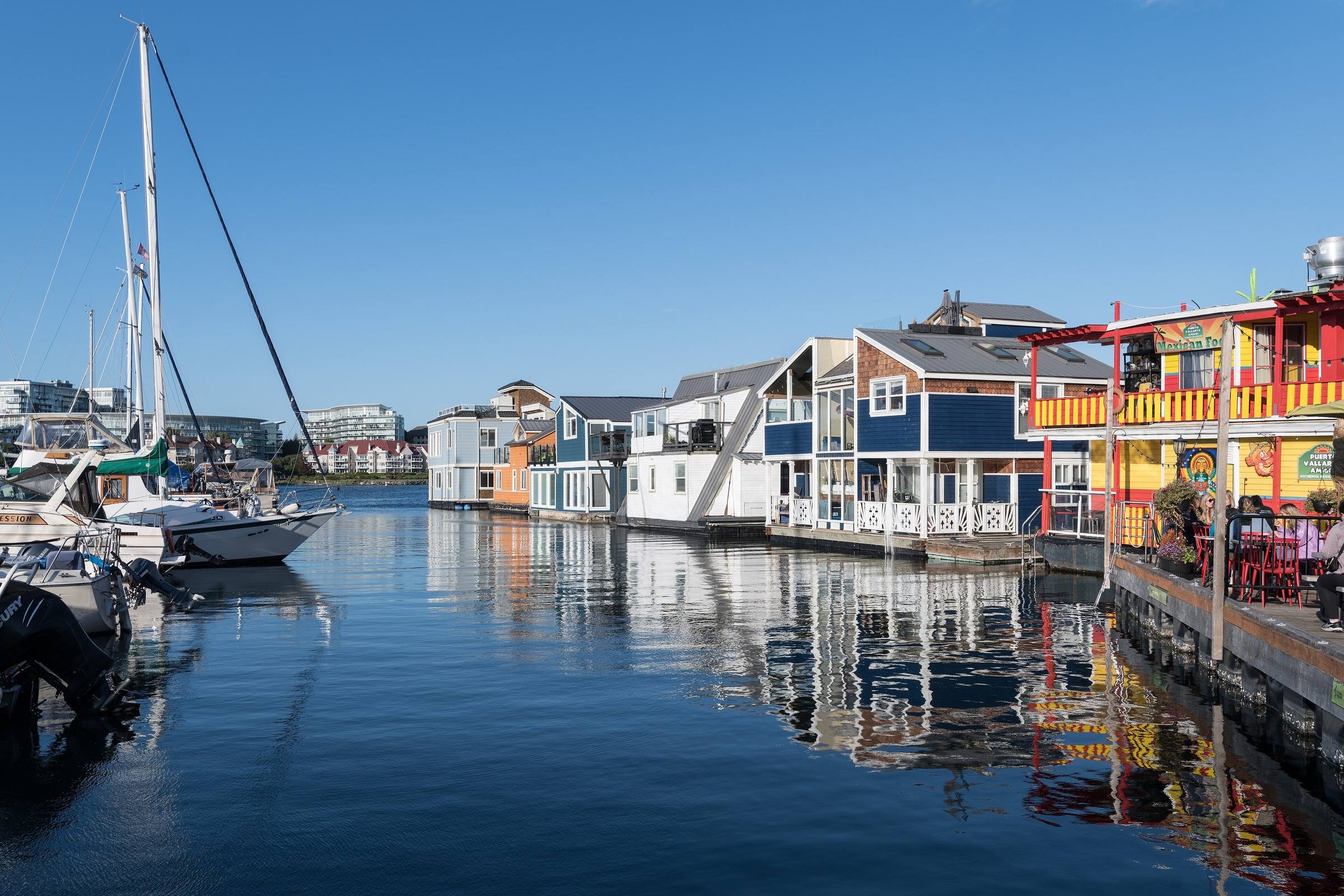
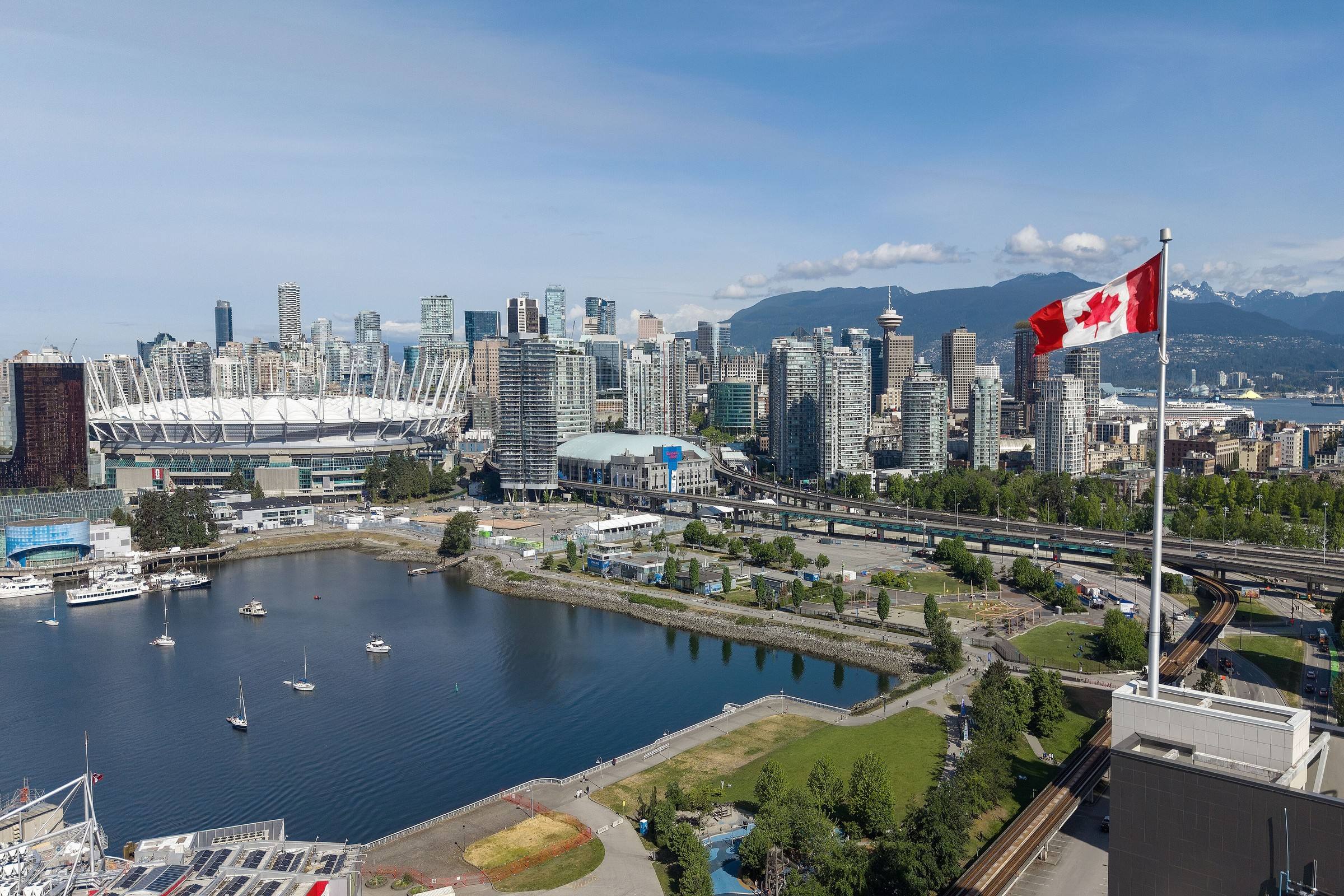
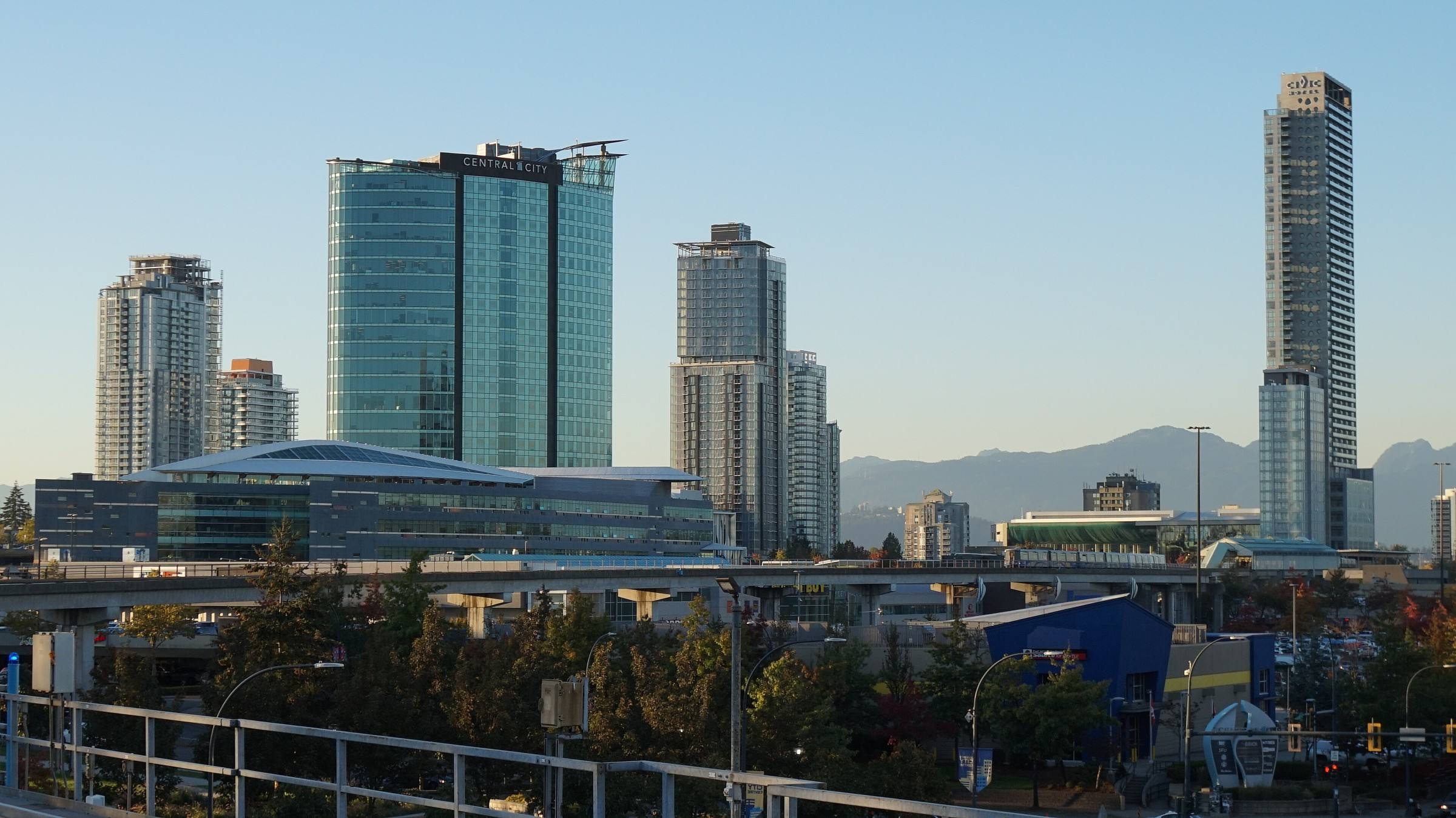
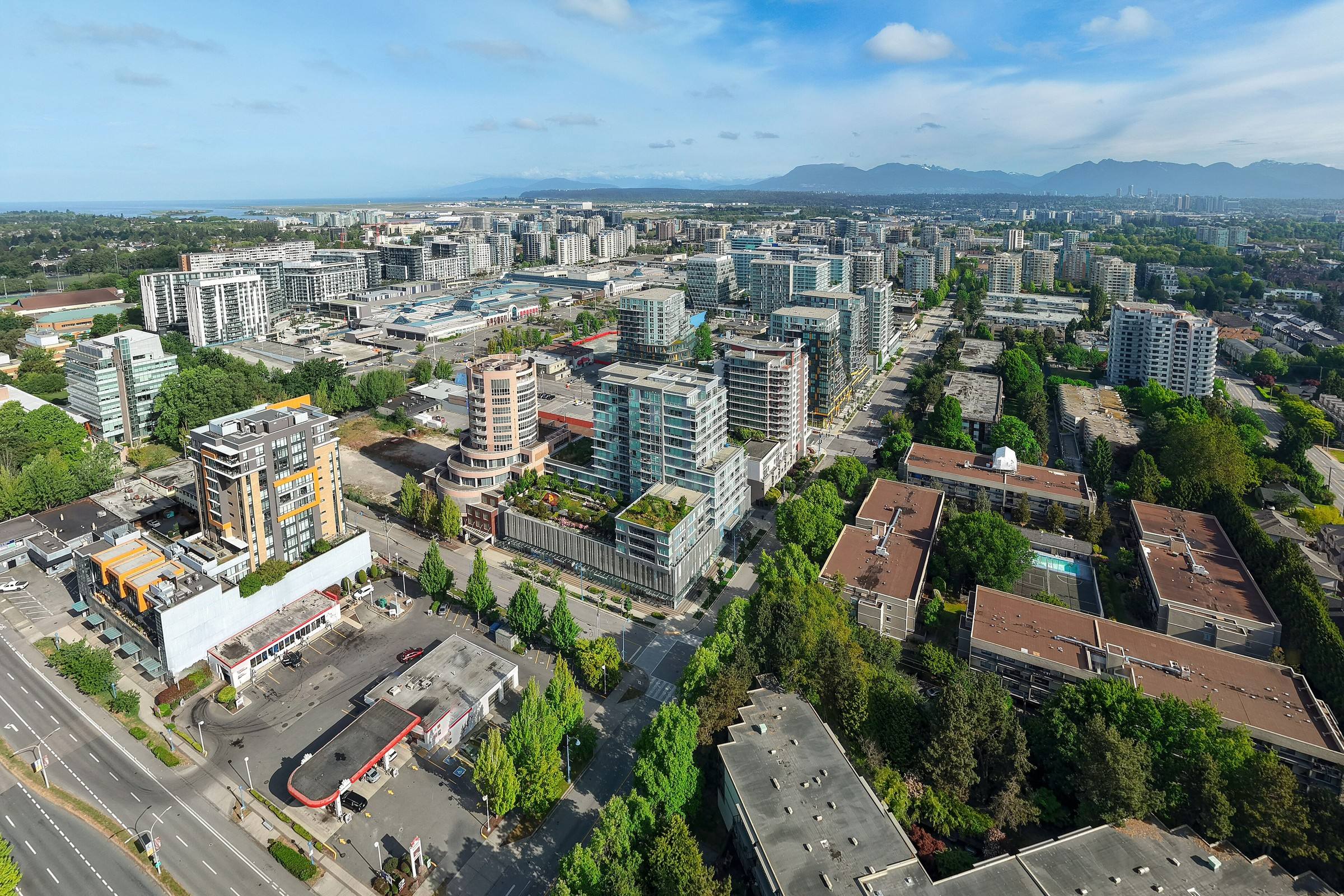
Home values and local costs differ a great deal between the Lower Mainland, the Okanagan and Vancouver Island, so local figures matter more than provincial ones. A city page shows what your own market says about equity and room to borrow. The city pages below carry sourced local data, starting with Vancouver. The form at check my options covers every BC community, with or without a page of its own.
Land transfer tax and registration in British Columbia
British Columbia calls it property transfer tax, and it is charged on a taxable transaction, which the Property Transfer Tax Act defines as a transfer or grant of an estate in fee simple, a life estate, a lease right or certain rights under an agreement for sale. The base rate in section 3 is 1% of the first $200,000 of fair market value and 2% of the rest, and the Act has further rules for higher values. A mortgage is not listed as a taxable transaction, and registered mortgages are not deducted when fair market value is worked out.
The Land Title and Survey Authority lists $83.82 for registering a charge such as a mortgage, effective April 1, 2026, whatever the number of titles affected. Fees for filing electronically, your lawyer or notary, and any title insurance are extra.
A $75,000 second mortgage behind a $450,000 first on a $1,000,000 BC home
Made-up figures except the registration fee, which is the LTSA's listed $83.82 for registering a charge from April 1, 2026. The loan is interest only at an assumed 11% for one year, with an assumed 2.5% lender fee, 1.5% broker fee, $1,400 for legal work and $600 for an appraisal.
Combined loan-to-value
52.5%
$525,000 owed on a $1,000,000 home
Interest for a year
$8,250
$75,000 at 11%
Lender fee
$1,875
2.5% of $75,000
Broker fee
$1,125
1.5% of $75,000
Legal and appraisal
$2,000
$1,400 plus $600
LTSA registration fee
$83.82
Cost of borrowing in year one
$13,333.82
Six months of a redemption period on a $300,000 first mortgage
Made-up figures. The balance is $300,000 at an assumed 6% interest, the redemption period is assumed to run the full six months, and the lender's legal costs added to the payout are assumed to be $3,500.
Mortgage balance at the order nisi
$300,000
Interest over six months
$9,000
$300,000 at 6% for half a year
Lender's legal costs
$3,500
Needed to redeem at the end
$312,500
Questions people ask
What changed for BC mortgage brokers on October 13, 2026?
The Mortgage Services Act replaced the old Mortgage Brokers Act. BCFSA describes it as a move from registration to licensing, with new powers to investigate and discipline. For you, the practical step is to ask whether the person holds a licence under the new framework and to check with BCFSA.
Do I pay BC property transfer tax when I register a second mortgage?
The tax applies to a taxable transaction, such as a transfer of title, and the Act does not list a mortgage as one. You would still pay the LTSA charge filing fee, legal costs and whatever the lender and broker charge. Your lawyer or notary should confirm the lines for your file.
How does a mortgage lender take a home in British Columbia?
Most often through a court petition in the BC Supreme Court. The court makes an order nisi that sets what is owed and a redemption period, which Legal Aid BC says is often six months but can be shortened to a few weeks, set by the judge. If it is not paid, the court can order the home sold.
Are arrears climbing in British Columbia?
CMHC put BC mortgages 90 or more days behind at 0.26% in the second quarter of 2026. Its report describes upward pressure in British Columbia and expects a more moderate rise through mid-2027 than in Ontario, so the level is low but the direction is up.
What does a redemption period give me in BC?
It is the window after the order nisi to pay what the court says is owed and keep the home. Interest and legal costs keep adding up during it. Many owners use the time to sell, or to refinance with a bank or another lender.